Explore our premium select range of hardware, offering robust computing and reliable data retention for hyperscale data centers.
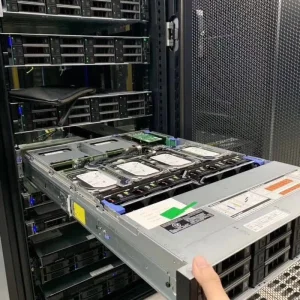
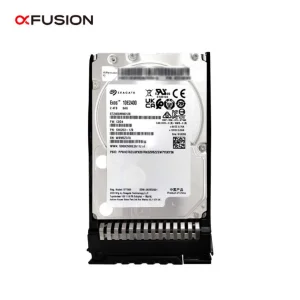
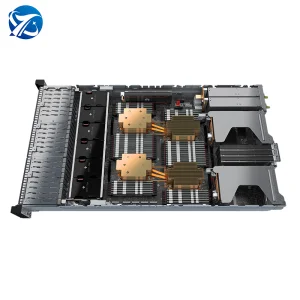
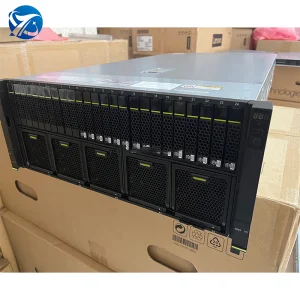
Modern digital transformation relies on the foundational elements of solid-state storage (SSD), high-speed synchronous dynamic random-access memory (SDRAM), and highly integrated enterprise computational servers. For global IT procurement officers, cloud architects, and hardware engineers, partnering directly with experienced storage manufacturers and factories is no longer just a cost-saving procurement tactic—it is a critical pillar of infrastructure supply-chain stability and hardware-level performance engineering.
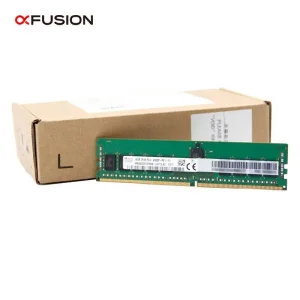
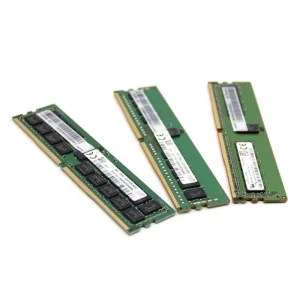
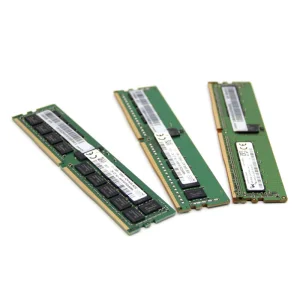
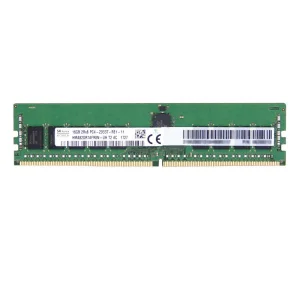
The physical anatomy of enterprise memory relies on precise silicon fabrication, wafer sort grading, packaging, and high-frequency testing. A high-quality server memory module, such as a **DDR4 RDIMM**, relies on the meticulous screening of DRAM chips. This process determines the timing parameters (such as 0.625ns access times) and frequencies (such as 3200MHz/3200000KHz) that prevent internal communication bottlenecks. Factory-level engineering optimizes these modules for Error-Correcting Code (ECC) register operation, which actively maps out single-bit errors in high-load data transactions.
Concurrently, enterprise-class non-volatile storage has transitioned almost entirely to advanced NVMe PCIe architectures. In high-density configurations, traditional SATA interfaces have given way to PCIe Gen 4.0 and Gen 5.0 lanes. These new connections utilize the NVMe protocol to bypass the high latency overhead inherent to legacy software stacks. For solid-state drives (SSDs) designed for modern hyperconverged clusters, specialized factories produce dual-port, hybrid read/write configurations. These drives provide the thermal dissipation and sustained write tolerance necessary to ensure multi-petabyte lifetimes under heavy enterprise virtualization workloads.
Strict factory-level selection processes filter out marginal sub-dies. Only top-tier, low-latency silicon reaches high-density server configurations.
Production of high-layer count 3D TLC/QLC NAND cells. This engineering delivers high capacity metrics while maintaining stable program-erase cycles.
Optimizing signal integrity across multi-rank architectures, registers, PMICs, and internal memory traces to maximize clock speeds.
The rise of large language models (LLMs) and advanced AI architectures—exemplified by massive frameworks like DeepSeek—has reshaped memory demands. Traditional storage configurations are no longer sufficient to feed data-hungry multi-GPU server setups. The primary hardware bottleneck has shifted from raw compute capacity to system bandwidth and memory access speeds. Because of this change, contemporary manufacturing roadmaps now focus on optimizing access times and expanding data pipelines.
Over the next few years, the memory and storage industry will transition through several key design phases:
| Storage Class | Common Interface | Target IOPS / Speed Range | Ideal Application Scenario |
|---|---|---|---|
| DDR4 RDIMM ECC | 288-Pin Parallel Bus | 21.3 GB/s - 25.6 GB/s | Mission-critical server memory, virtualization virtualization hypervisors, caching layers. |
| Enterprise NVMe SSD | PCIe Gen4 x4 / U.2 / U.3 | Up to 800K Random Read IOPS | Hot database transactions, high-frequency virtualization, real-time analytics storage. |
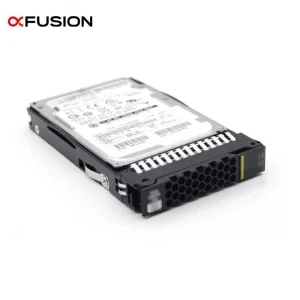
| Enterprise SAS HDD | SAS 12Gb/s (10K / 15K RPM) | Up to 300 MB/s Sequential | High-reliability warm storage, backup retention, enterprise legacy data archiving. |
| Deep Learning AI Server | Multi-socket NVLink / PCIe Gen5 | 100+ GB/s System Aggregate | Deep learning inference processing, high-density AI model execution, GPU scaling. |
The global electronics supply chain relies heavily on manufacturing clusters located in the Guangdong region of southern China. This industrial zone provides a dense ecosystem of raw component suppliers, advanced PCB fabrication yards, surface-mount technology (SMT) assembly centers, and highly efficient shipping hubs. These localized systems enable hardware factories to respond quickly to market changes and maintain stable lead times during global component shortages.
This local manufacturing cluster delivers major advantages in production efficiency:
By establishing close relationships with primary silicon foundries and controller designers, Chinese storage factories can secure priority access to memory wafers. This vertical integration keeps product runs stable and predictable. Once assembled, hardware is routed through shipping hubs in Shenzhen or Hong Kong, allowing manufacturers to deliver orders quickly to customers worldwide.
Enterprise-grade storage systems must adapt to a wide variety of localized applications, each presenting its own unique hardware and performance constraints:
Modern public and private cloud providers require large quantities of highly compatible DDR4 and DDR5 memory modules. The integration of high-density 64GB RDIMMs enables system operators to maximize virtual machine density per hypervisor node. This configuration delivers consistent performance across multi-tenant environments without running into physical memory limits.
Financial networks and transactional database clusters depend heavily on low-latency memory response. Our high-frequency DDR4 and DDR5 RDIMMs are engineered to sustain continuous write operations. Equipped with registered buffers, these modules prevent data corruption during massive database transactions, ensuring consistent reliability for trading applications.
Training and running complex models like DeepSeek requires massive datasets to flow smoothly into compute engines. Multi-socket rack servers configured with high-speed NVMe PCIe solid-state storage act as local caching systems. This design ensures graphics processors receive a steady stream of data, maximizing GPU utilization rates.
Arkon Technology Co., Ltd. is a professional provider of high-performance computing hardware and technology solutions. With 9 years of industry experience, we specialize in the production, wholesale, and global distribution of advanced IT equipment.
Established in 2016 in Guangdong, China, we operate as a manufacturer, trading company, and distributor/wholesaler. Our team of 51 to 100 dedicated employees generates an annual revenue of US$50 Million to US$100 Million. We serve a global client base across South America, Africa, North America, Europe, and Asia.
We are committed to providing reliable hardware for gamers, data centers, and AI infrastructure. Our main product categories include:
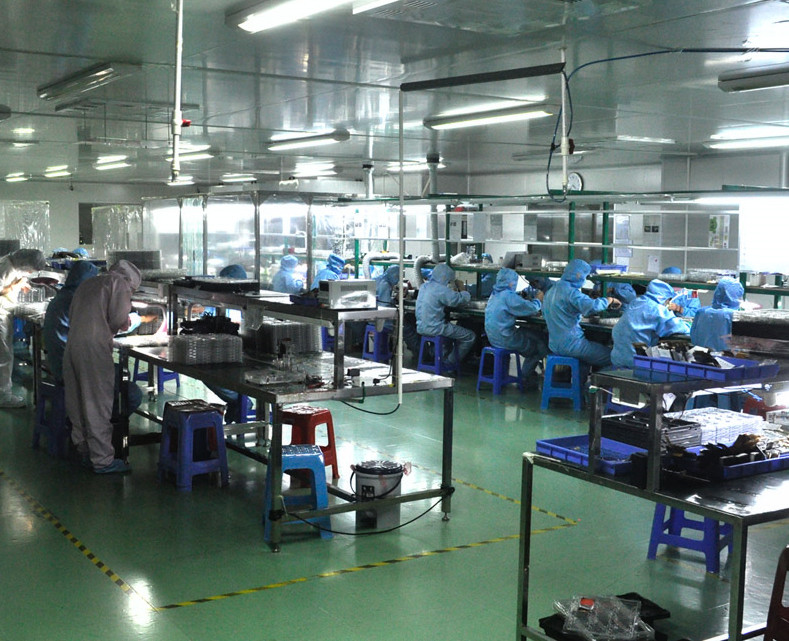
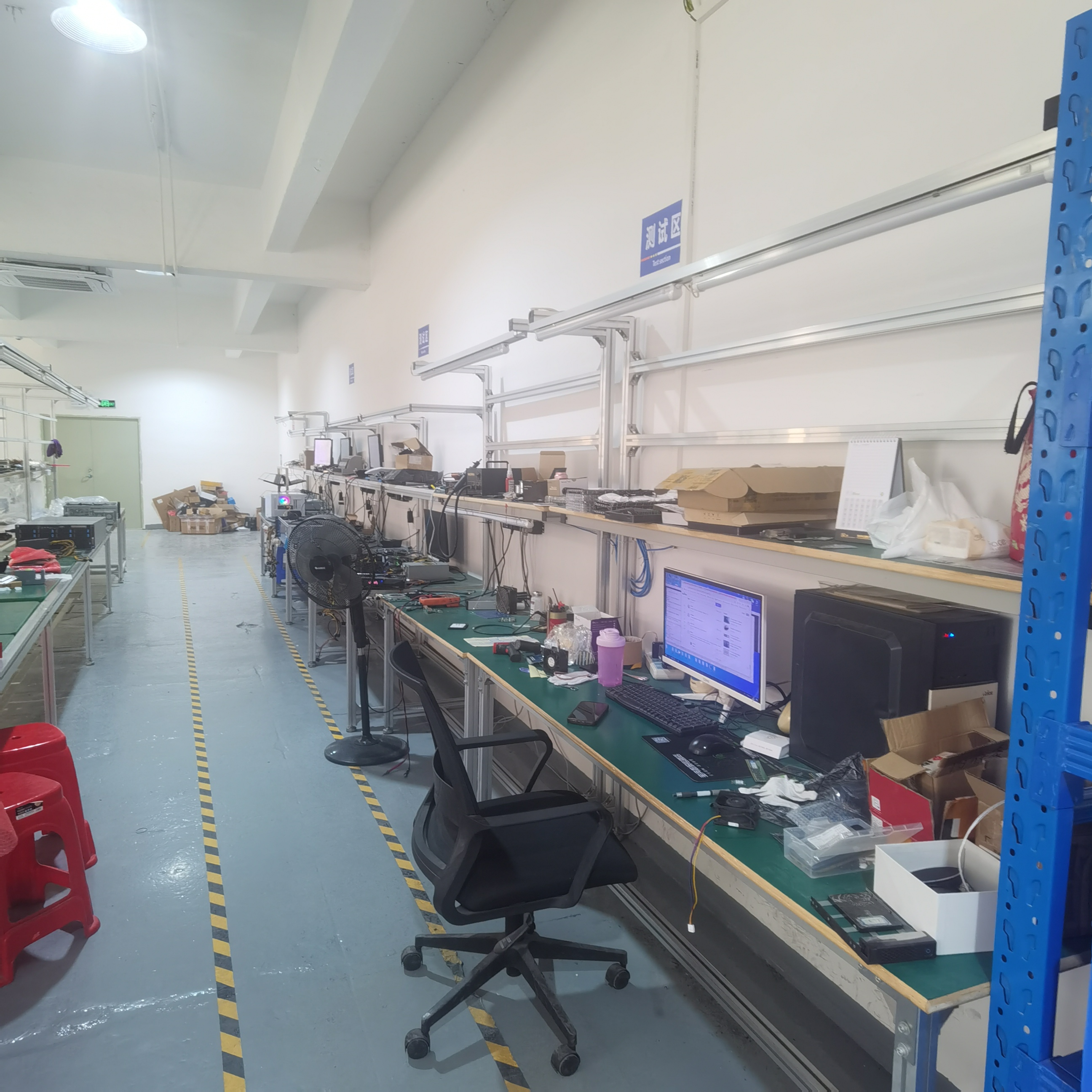
We adhere to strict quality control processes, including multi-stage testing to ensure product reliability.
With a dedicated international trade team of over 50 professionals, we guarantee a fast response time (≤6 hours).
We provide comprehensive OEM/ODM services, including product design and buyer labeling to suit your specific branding needs.
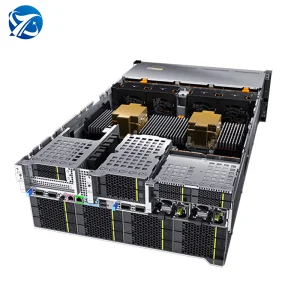
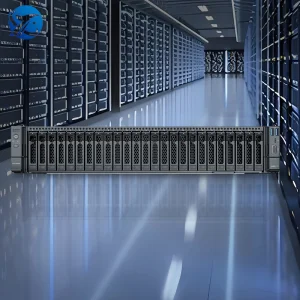
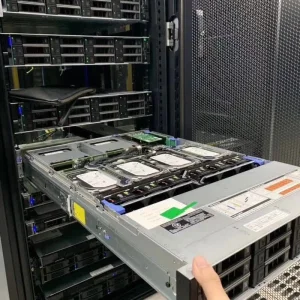
Explore our deep integration servers, built to handle heavy database applications and AI computational workloads.
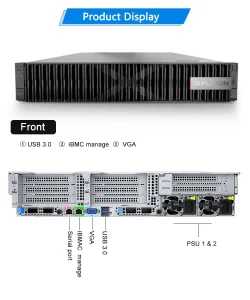
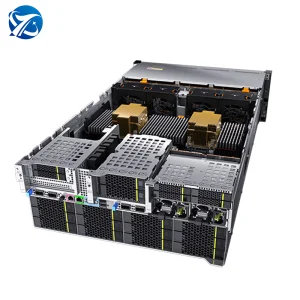
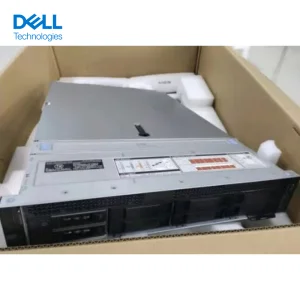
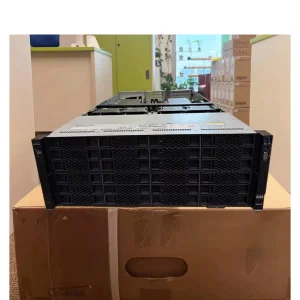
 Arkon Server