In an era of hyper-scale digital migration, selecting the right networking equipment and compute hardware manufacturer is not simply a purchasing task. It is a strategic mandate. As artificial intelligence models expand exponentially, the line between traditional raw networking (switches, routers, transceivers) and supercharged high-density servers has completely blurred.
The international networking and computing industry is experiencing structural revolutions. Standard gigabit architectures are no longer sufficient to carry the petabytes of computational logic flowing through deep learning hubs. We identify four fundamental pillars reshaping hardware procurement worldwide:
Large language models (LLMs) and deep learning algorithms require ultra-low latency cluster connectivity. Innovations such as RoCE v2 (RDMA over Converged Ethernet) and InfiniBand are replacing older transport mechanisms to allow direct memory access between GPU nodes without CPU overhead.
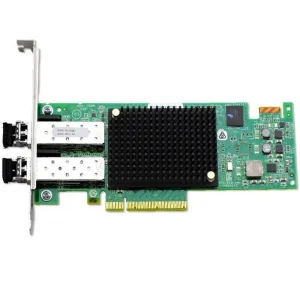
Core switching layers are quickly upgrading to 400G and 800G pipelines. Hardware designers must construct network cards, like single-port 32Gb/s SFP28 systems and high-density fiber switches, to manage raw optical capacities without bottlenecking data packets.
High-speed system buses are moving from PCIe 4.0 to PCIe 5.0, doubling the available bandwidth. Solid State Drives (such as PM9A3 series NVMe) utilize these expansion slots to deliver read/write operations with near-zero queue latency, supporting rapid AI dataset loads.
Corporate buyers from North America, Europe, South America, and APAC do not simply purchase hardware off the shelf; they seek strategic, long-term alignments. A procurement executive’s scorecard typically evaluates three major metrics:
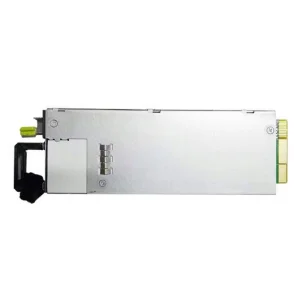
Operating a multi-megawatt server warehouse requires energy-efficient hardware. Original Server Power Supply units, such as high-efficiency HVDC1500wb Power Modules, minimize energy waste during high-voltage DC conversion. When equipment runs cooler and converts power with 94%+ efficiency, enterprise operating margins increase substantially.
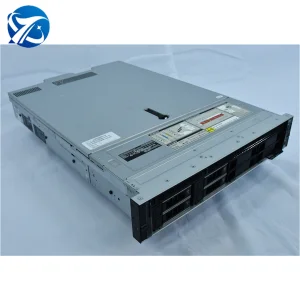
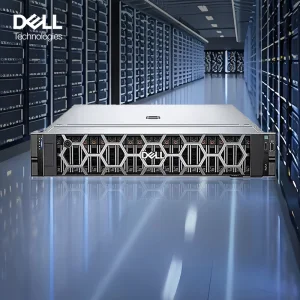
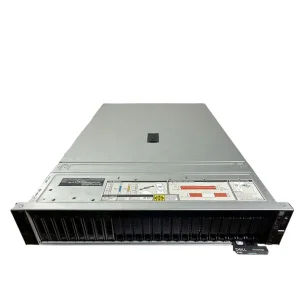
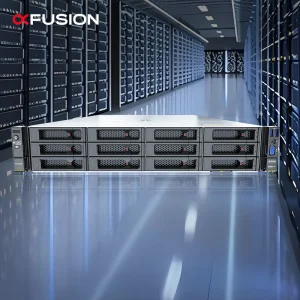
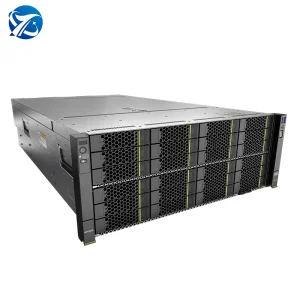
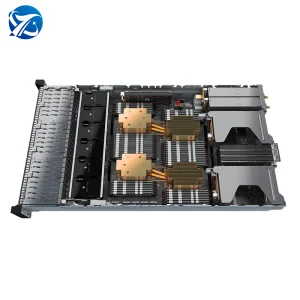
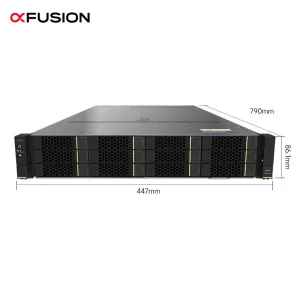
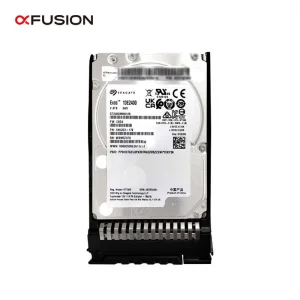
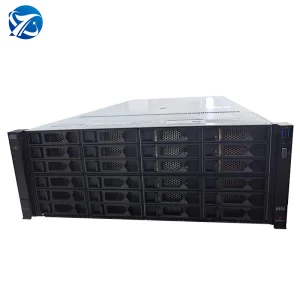
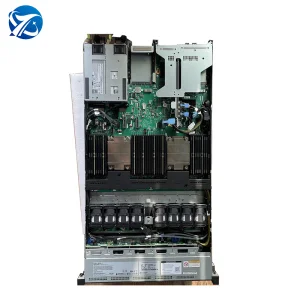
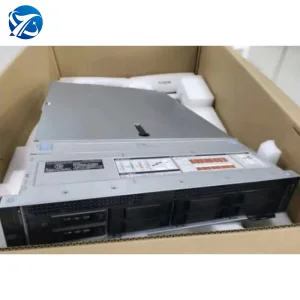
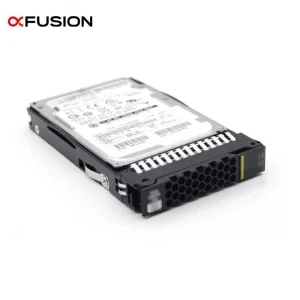
Enterprise architectures must remain agile. Suppliers must provide servers (such as Dell PowerEdge R760XS and xFusion Fusionserver systems) that easily integrate multi-vendor accessories. Adding PCIe cards, changing SFP transceiver modules, or hot-swapping SAS drives should require zero structural re-engineering.
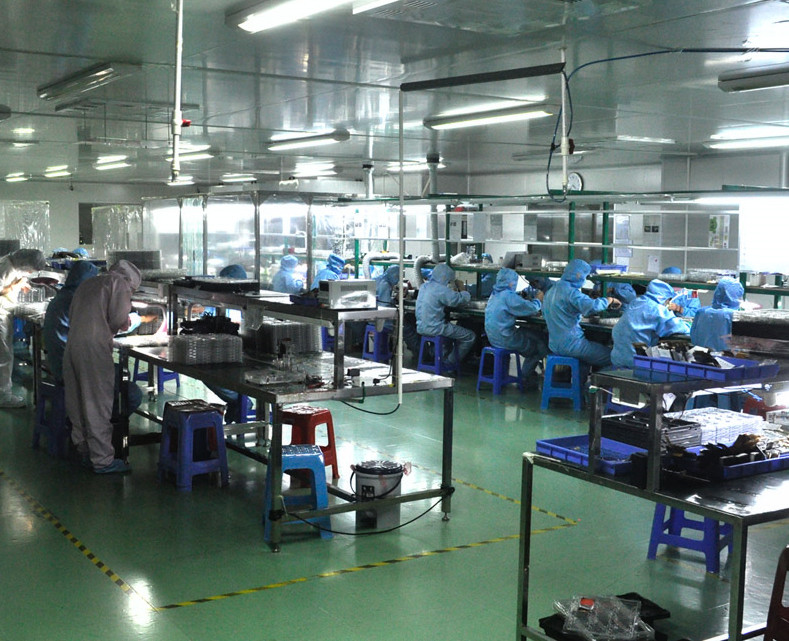
The hardware integration ecosystem in Guangdong, China, serves as a global benchmark for technical manufacturing. By adopting Industry 4.0 principles, modern electronics factories utilize smart assembly, real-time testing, and advanced logistics pipelines.
Every GPU chassis, Server motherboard, and custom PCIe interface card undergoes Automated Optical Inspection (AOI) alongside rigorous thermal cycle testing prior to container loading.
With direct, high-efficiency logistics lines running directly through Shenzhen and Hong Kong deep-water ports, cargo transit times to Europe, South America, and North America are greatly optimized.
China’s localized micro-component markets mean engineers can design, print, assemble, and test customized OEM/ODM motherboard layouts in under two weeks.
When evaluating leading server and networking suppliers, validating operational scale and logistical certifications is vital. Below is a comprehensive overview of Arkon Technology Co., Ltd., demonstrating strong technical capabilities and global supply efficiency.
Professional Provider of High-Performance Computing Hardware & Global Enterprise Solutions
Established in 2016, Arkon Technology Co., Ltd. has spent 9 years specializing in the development, manufacturing, wholesale, and international distribution of advanced hardware components. Based in Guangdong, China, we bridge the gap between high-tech manufacturing pipelines and international procurement agents who require fast delivery, high-quality production, and responsive customer care.
Looking for a reliable partner?
At Arkon Technology Co., Ltd., we combine technical expertise with exceptional customer service to help your business scale. Contact us today to discuss your requirements!
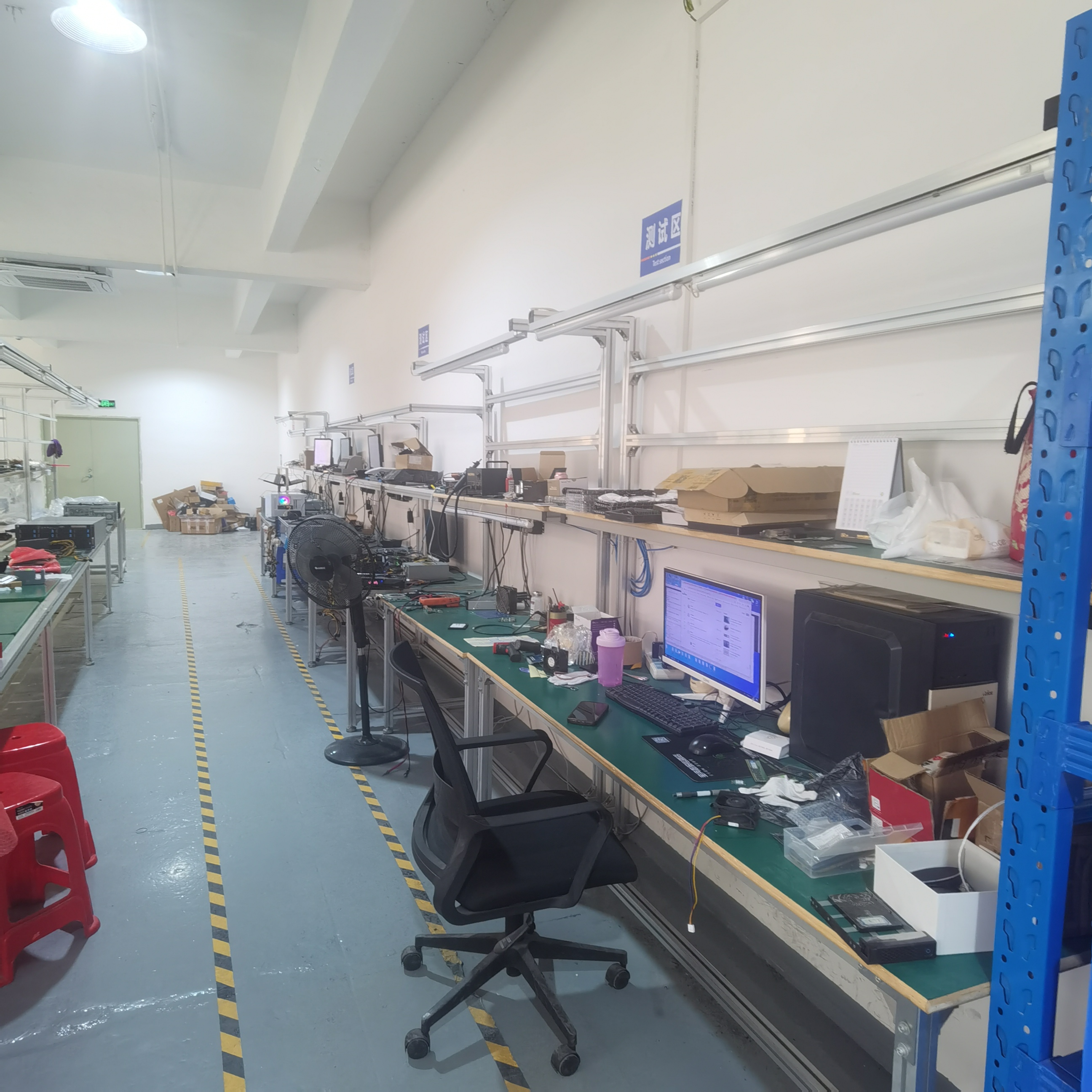
Graphics Cards (GPU): Highly engineered options built for industrial-grade data centers and professional workstations.
Servers & AI Racks: Custom-assembled hardware solutions built to process high-intensity databases and artificial intelligence algorithms.
Mining Hardware & Chassis: Rugged server enclosures engineered to maintain structural integrity in high-heat operational settings.
AI & Deep Learning Solutions: High-bandwidth server platforms built to integrate modern machine learning frameworks.
We provide full-scope OEM/ODM services, including tailored chassis design, component branding, custom BIOS configurations, and buyers’ labeling to fit regional network specifications.
Selecting high-performance servers and fast network architectures should depend on your specific industry workload requirements:
Modern assembly operations use high-definition cameras to scan for flaws in real-time. High-throughput 2U rack servers equipped with enterprise GPU systems parse visual feeds instantly to catch component defects without slowing down production lines.
Investment banking and high-frequency trading rely on ultra-low latency transaction paths. Combining high-frequency Xeon processors with low-latency PCIe solid-state storage minimizes query delays, securing trade execution before market movements occur.
Modern businesses generate massive data streams. Implementing NAS cloud racks alongside durable SAS hard drives allows companies to scale storage capacities and access files securely from anywhere in the world.
Expert answers to technical questions commonly raised by network architects, CTOs, and procurement directors during infrastructure evaluation.
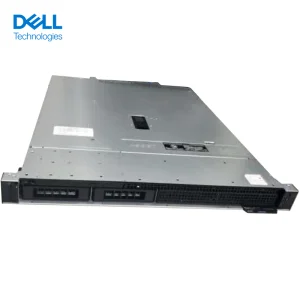
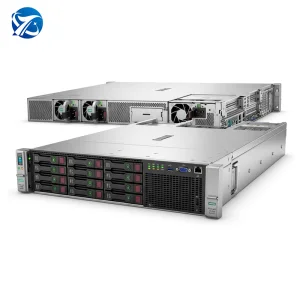
 Arkon Server